Out there where skates cut sharp into frozen rinks, raw ability only gets you so far – progress hides in drills that build quick turns, rapid bursts, because precision matters just as much as power. A fresh approach, one reshaping how athletes prepare, steps forward not with promises but structure: daily routines wired to sharpen reflexes above the boards, control beneath the gloves.
Game Changer Hockey Training System Explained?
A fresh take on hockey practice shows up where most routines fall short. While old-school workouts fixate on muscle or stride alone, here ice time blends with gym work, hands-on skills, mind training too. Speed grows. Decisions sharpen. Players carry themselves differently. This isn’t just exercise – it shapes how the game gets played.
Core Parts of the System
- Skating and Agility Training
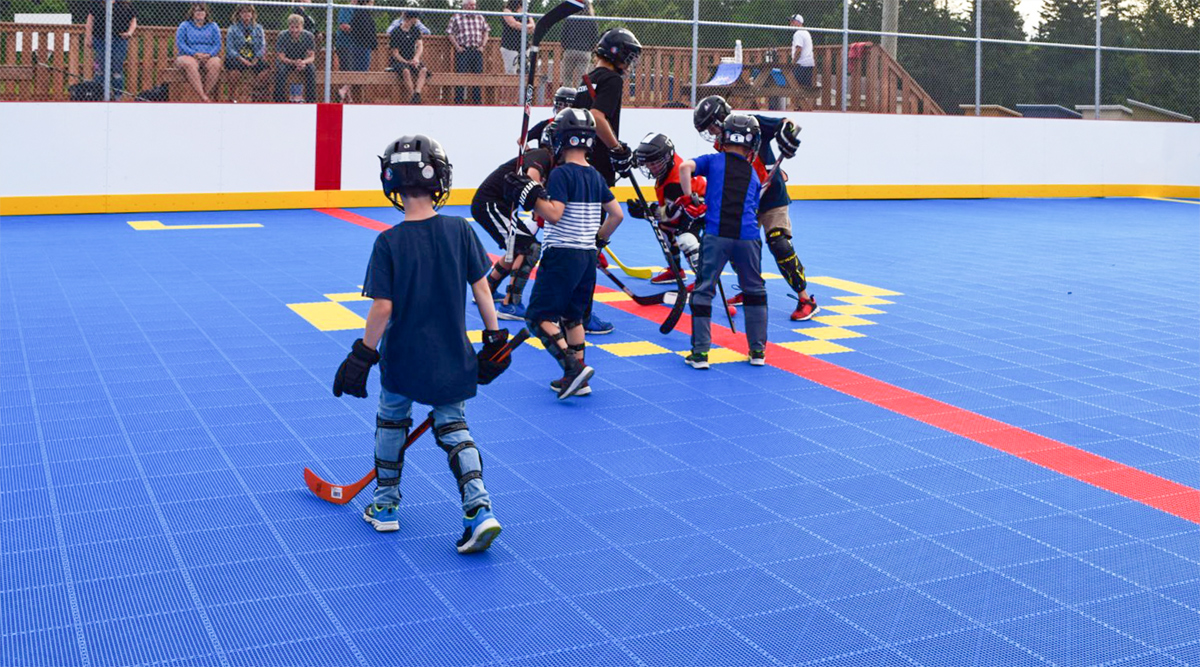
- On ice, quick bursts set the pace while sharp turns define movement. Balance grows stronger when drills mix sudden stops with smooth glides. Edge work shapes how tightly a player can turn without slowing down. Moving from one action to another becomes seamless through repeated patterns across the rink. Precision comes not from speed alone but from controlled shifts in direction. Agility rises when each step connects fluidly to the next motion.
- Puck Handling and Shooting Skills
- When defenders face tight checks, sharp stickhandling keeps the disk secure. Instead of just firing shots, quick releases find gaps before goalies adjust. Forwards work these moves just as much as backlinemen do. Scoring chances grow when everyone on ice can push attack. Each drill builds reactions without warning passes or scripted plays.
- Strength and Conditioning
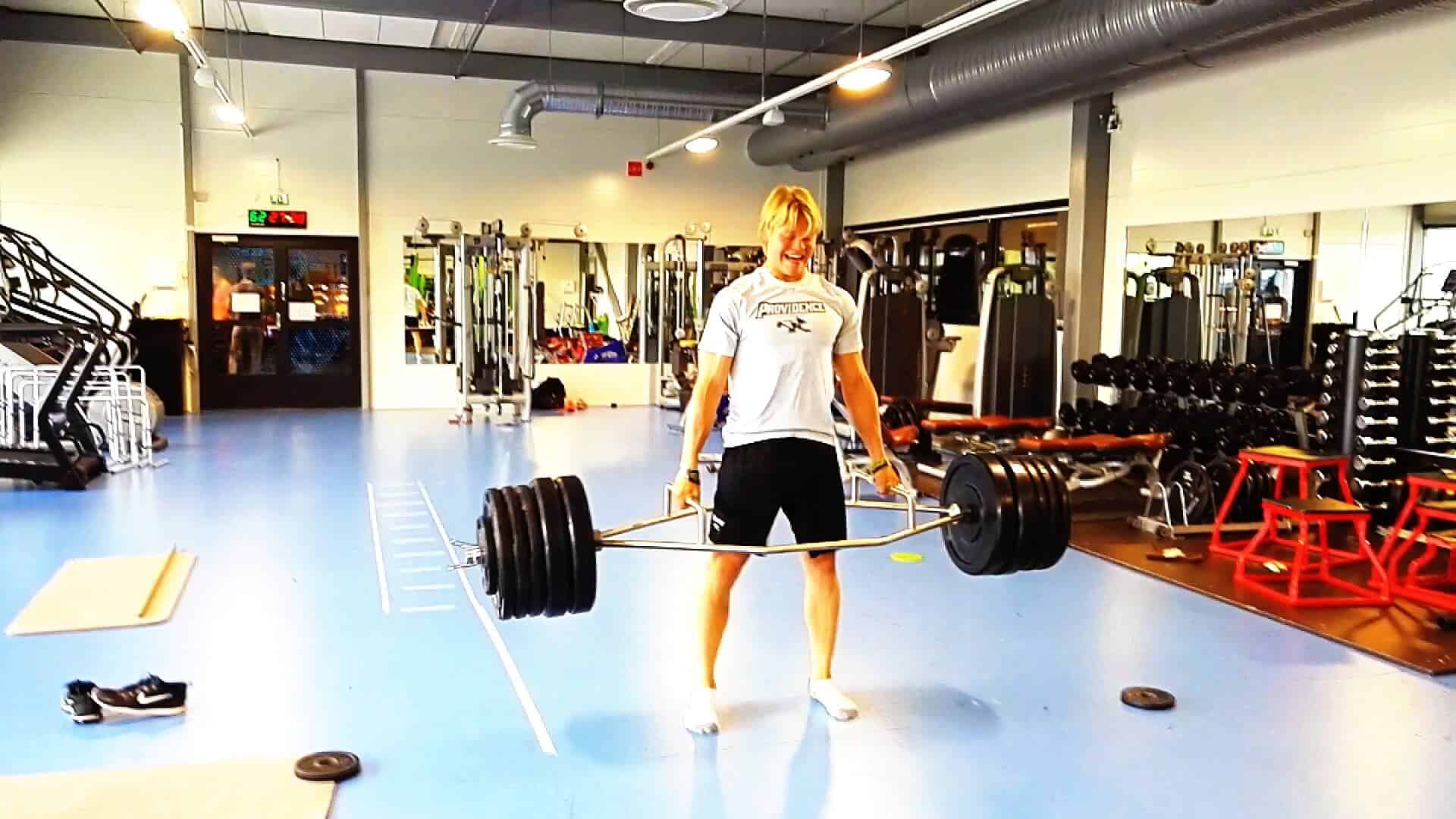
- Starting with balance, workouts build core strength so skaters stay stable through tough shifts. Power comes next, developed by explosive jumps that fire up leg muscles fast. Endurance grows different ways, shaped by steady runs plus sprint drills done right. Each piece fits together, designed around how hockey demands constant motion. Moves mimic real play, mixing heavy lifts with heart-pumping effort. Results show in longer shifts, sharper turns, less fatigue when it counts.
- Mental Training and Game IQ
- Success in hockey isn’t just about physical talent. What sets players apart often happens inside the mind. Visualization methods are woven into training alongside sharpness drills for real-time scenarios. Instead of relying on instinct alone, athletes practice choices before they face them live. Pressure doesn’t disappear – it gets met with clearer thinking. Faster reactions come not from speed, but from preparation long before the moment arrives.
- Performance Tracking
- Out here, training means showing real change over time. Progress shows up clear when players check how fast they move, how sharp their turns are, where shots land, and how long energy holds out. Numbers guide each step forward instead of guesswork. Weak spots become obvious – no surprises, just facts pointing ahead.
Who Can Benefit?
Starting strong, game changer hockey training system, this hockey training setup works whether you are just learning or already competing at the top level. When coaches step in, they find it handy for shaping drills, watching how players grow, then adjusting workouts where needed.
Why This Changes Everything
This method works because it puts the athlete first, blending body conditioning, skill work, together with mindset training into one flow. Most old-school drills skip part of that mix, leaving gaps in performance. Since routines adjust to fit each person, improvement stays steady while tiredness and harm drop off.
Conclusion
Out on the ice, things move faster now – training has to keep up. This hockey program shifts how players grow, blending quickness with smart decisions, power with control. When effort meets direction, improvement follows. Tools inside help sharpen edges most miss. Growth hides where others stop looking. Real change starts when practice feels different.

 1
1