11
11
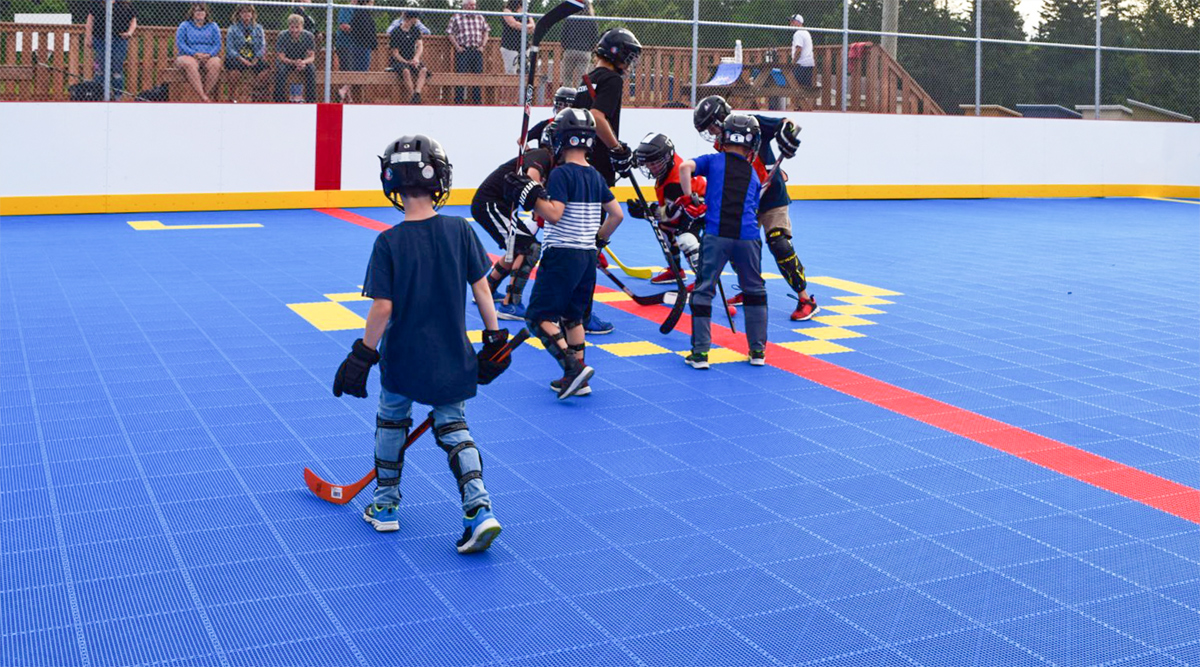
Ball hockey has grown rapidly as an accessible, fast-paced alternative to ice hockey, and one of the biggest factors influencing performance is the playing surface. Whether you’re setting up a backyard training area, a school facility, or a professional-grade rink, ball hockey tiles practice surfaces have become the preferred solution. These modular, interlocking tiles are engineered for durability, performance, and ease of installation, making them widely available for sale across global markets.
This article provides a comprehensive overview of ball hockey tiles, their benefits, features, types, and what to consider when purchasing a practice surface.
Ball hockey tiles are interlocking modular flooring systems designed specifically for hockey-style sports played without ice. Typically constructed from high-impact polypropylene, these tiles create a smooth, consistent surface that enhances puck or ball movement while providing grip for players.
Unlike concrete or asphalt, which can be rough and inconsistent, hockey tiles are engineered to deliver controlled friction, shock absorption, and long-term durability. Many systems are also suitable for inline hockey, making them versatile for multi-use sports environments.
For example, modern tile systems feature snap-together designs requiring no adhesives or tools, enabling quick installation and customization of rink size and layout.
Ball hockey tiles provide a uniform and predictable surface, which is critical for stickhandling, passing, and shooting. Unlike uneven concrete, tiles ensure consistent ball roll and rebound.
Advanced systems are designed to:
Tiles offer a slightly cushioned structure that reduces impact stress on joints and minimizes injuries during falls. Compared to hard surfaces like asphalt, they provide:
Outdoor hockey tiles are engineered to withstand extreme weather conditions. High-quality tiles are:
This makes them suitable for both indoor and outdoor installations.
Most systems use interlocking connectors, allowing users to assemble or disassemble surfaces quickly. This modularity means:
Unlike ice rinks or painted concrete, tile systems require minimal upkeep. Cleaning typically involves:
Some products are even designed to be virtually maintenance-free, with no waxing required.
When browsing ball hockey tiles for sale, you’ll encounter several categories depending on usage and environment.
Indoor tiles are designed for controlled environments such as gyms or indoor arenas. They typically feature:
Products like inline arena tiles are often used in professional facilities due to their precision fit and consistent performance.
Outdoor tiles are built to handle weather exposure and temperature changes. Key features include:
For instance, some outdoor tile systems include perforations for water drainage, ensuring safe play even after rain.
Many ball hockey tiles are also suitable for:
These tiles provide a balance between grip and glide, making them ideal for community or school facilities.
High-end tiles used in tournaments and professional leagues offer:
Some systems have even been used in international competitions, demonstrating their reliability and performance at elite levels.
If you’re considering ball hockey tiles for sale, evaluate the following technical specifications:
Most high-performance tiles are made from polypropylene, known for:
Standard tiles are around 10–13 mm thick, providing a balance between durability and flexibility.
Look for:
The texture determines grip and speed:
Premium tiles can support significant weight, sometimes exceeding 16,000 lbs per tile, ensuring structural stability.
Several manufacturers dominate the ball hockey tile market:
Each brand offers variations tailored to indoor, outdoor, or multi-sport applications.
Prices vary depending on quality and brand. Entry-level tiles may cost:
Premium systems:
The total cost depends on rink size. For example:
Before purchasing, ensure your base surface is:
Common base surfaces include:
Tiles should not be installed on uneven ground, as this can affect performance and durability.
Ball hockey tiles are particularly valuable for training because they allow players to:
For goalies, tiles simulate realistic movement conditions, helping refine positioning and reaction time.
Modern tile systems allow extensive customization:
This makes them suitable for both recreational and professional use.
Ball hockey tiles practice surfaces represent a significant upgrade over traditional playing surfaces. With their durability, ease of installation, and performance benefits, they have become the standard choice for players, coaches, and facility managers.
Whether you’re building a backyard training setup or a full-scale rink, investing in quality hockey tiles ensures:
As the sport continues to grow globally, the demand for high-quality ball hockey tiles for sale will only increase, making now an ideal time to explore the available options and build your perfect practice surface.