11
11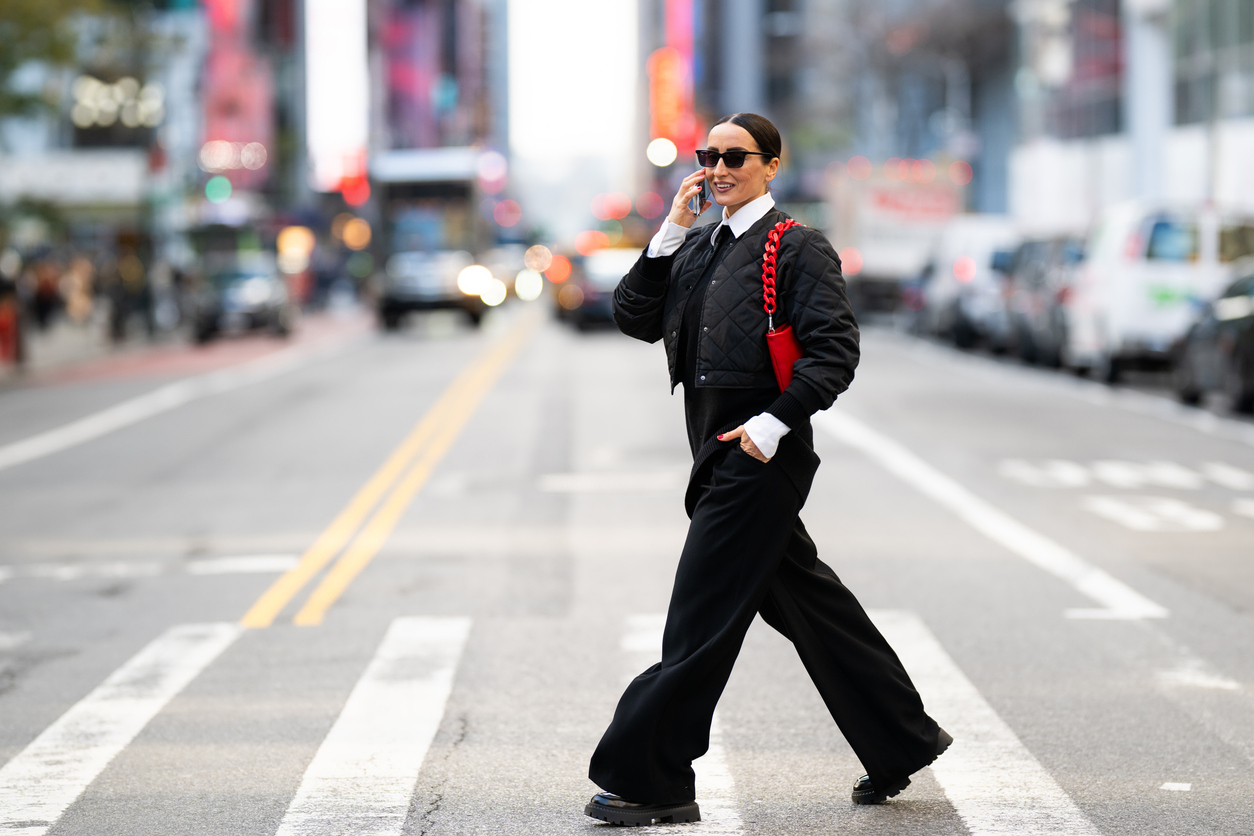
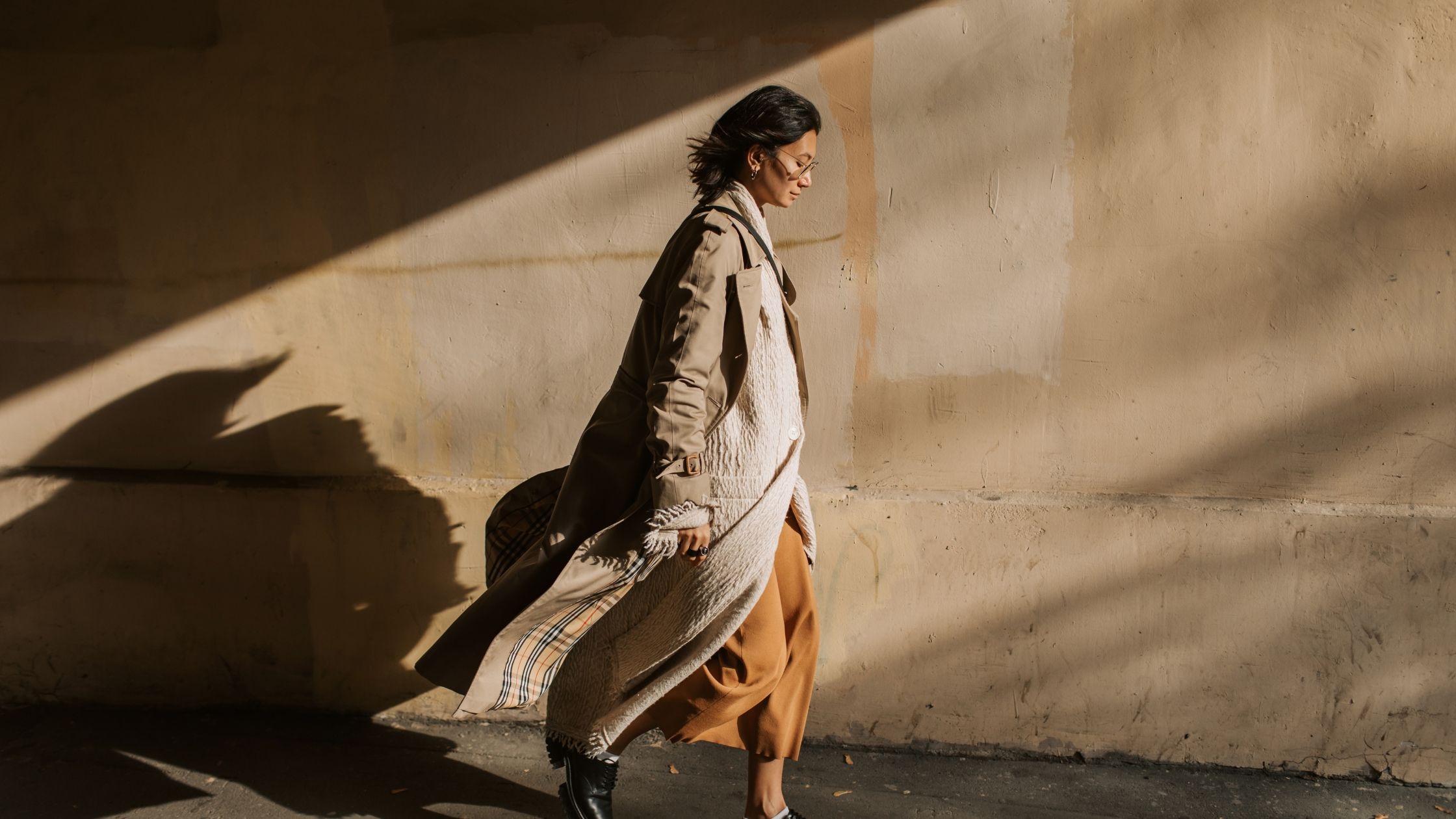
Fashion has always been a reflection of culture, identity, and social change. Over the decades, clothing styles have evolved to represent shifting values, technological progress, and artistic creativity. Today, Modern fashion stands at the intersection of innovation and tradition, combining comfort, individuality, and sustainability. It is no longer limited to runway shows or luxury brands; instead, it influences everyday wardrobes and global culture.
In the past, fashion trends were often dictated by a small group of designers and fashion houses. Now, social media, street style, and global connectivity have transformed how trends emerge and spread. Modern fashion embraces diversity in style, allowing people from different backgrounds to express themselves freely through clothing and accessories.
To understand today’s fashion landscape, it is important to look at how style has evolved over time. Earlier fashion eras were often rigid and defined by strict rules about fabrics, silhouettes, and gender roles. However, the rise of youth culture, digital media, and globalization has significantly changed how people view clothing.
Modern fashion is characterized by flexibility and experimentation. Designers frequently mix elements from past decades with contemporary aesthetics. Vintage styles, for example, are regularly reimagined with updated cuts and materials. This blending of old and new allows fashion to remain dynamic and constantly evolving.
Another key factor in this evolution is technology. Online platforms have made it easier for designers to showcase their work and for consumers to discover new trends instantly. Fashion inspiration can now come from anywhere in the world, creating a truly global style environment.
Several defining characteristics shape today’s fashion landscape.
One of the most important aspects of current style is the emphasis on personal expression. Instead of following strict trends, many people now build wardrobes that reflect their personality, lifestyle, and beliefs. Clothing has become a form of communication, telling others something about who we are.
Comfort plays a significant role in everyday clothing choices. People increasingly prefer versatile outfits that work for multiple situations, such as work, travel, or casual outings. As a result, items like oversized jackets, relaxed denim, and athleisure wear have become highly popular.
Environmental awareness has also had a strong impact on clothing choices. Consumers are paying closer attention to how garments are produced and whether they are environmentally friendly. Ethical manufacturing, recycled materials, and slow fashion movements are reshaping the industry.
Because of these shifts, Modern fashion is not just about looking good—it also reflects values such as responsibility, creativity, and awareness.
The rise of social media platforms has dramatically changed how trends are created and shared. In the past, fashion magazines and runway shows controlled most of the industry’s influence. Today, influencers, content creators, and everyday users contribute to shaping style trends.
A single viral outfit can inspire millions of people worldwide within hours. Platforms like Instagram, TikTok, and Pinterest act as digital fashion galleries where people experiment with looks and share inspiration. This has made fashion more democratic, allowing anyone with creativity and confidence to influence global style.
Because of this digital shift, Modern fashion moves faster than ever before. Trends appear quickly, gain popularity, and sometimes fade within months. While this rapid cycle creates excitement, it also encourages the industry to rethink production and sustainability practices.
Fashion has become increasingly global. Designers often draw inspiration from various cultures, traditions, and artistic movements. Traditional garments, patterns, and fabrics are being incorporated into contemporary designs, creating unique and meaningful styles.
This cultural exchange enriches the fashion industry by introducing new perspectives and creative possibilities. At the same time, it encourages respect for cultural heritage and responsible representation.
In many ways, Modern fashion acts as a cultural bridge, connecting people across continents through shared creativity and appreciation for design.
Technology is rapidly transforming how clothing is designed, produced, and sold. Digital design software allows designers to experiment with patterns and fabrics before creating physical samples. This not only saves time but also reduces waste.
Artificial intelligence is also helping brands analyze customer preferences and predict upcoming trends. Meanwhile, virtual fashion shows and online shopping experiences are becoming more immersive through augmented reality and virtual fitting rooms.
These innovations make fashion more accessible to consumers while allowing brands to operate more efficiently. As technology continues to advance, the relationship between creativity and digital tools will likely grow even stronger.
Looking ahead, the fashion industry is expected to continue evolving in exciting ways. Sustainability will likely remain one of the most important priorities, pushing brands to develop eco-friendly materials and ethical production methods.
Another emerging trend is gender-neutral clothing. Many designers are moving away from traditional gender categories and creating collections that anyone can wear. This shift reflects a broader cultural movement toward inclusivity and freedom of expression.
Additionally, customization may become a major feature of future fashion. With advancements in digital manufacturing and on-demand production, consumers may soon be able to design personalized garments tailored to their preferences.
These developments show that Modern fashion will continue to adapt alongside cultural and technological change.
Fashion has always been more than just clothing; it is a powerful reflection of society, creativity, and identity. The current era of style is defined by diversity, innovation, and the blending of global influences. From sustainable materials to digital fashion shows, the industry is undergoing a transformation that reflects the values and aspirations of modern consumers.
Ultimately, Modern fashion represents freedom—the freedom to experiment with style, celebrate individuality, and shape the future of clothing in meaningful ways. As technology advances and cultural awareness grows, fashion will likely become even more inclusive, sustainable, and expressive.
By embracing creativity while remaining mindful of environmental and social impact, the fashion world can continue inspiring people around the globe for generations to come.