11
11
Not every rink feels like a lab – this one does. Inside its glass doors, kids lace skates beside older teens running drills built on more than gut feeling. Orleans hosts it. Technology runs through each session – not just screens and sensors but ways of thinking that shift weekly. Coaches here test moves, track stumbles, adjust timing down to breaths. What sticks stays; what flops gets rebuilt quietly. A puck slides across ice after hours when nobody watches. That silence matters too.
A single idea drives Bloom Hockey Training Centre: doing things right over and over builds real strength. Skill grows when feedback fits the player, not the other way around. Progress shows up clearly, visible in movement, timing, choices. Each session aims at lifting ability, layer by layer, starting from first steps toward complex plays. Confidence rises when decisions become second nature. Smarter habits lead to sharper results during fast moments on the ice.
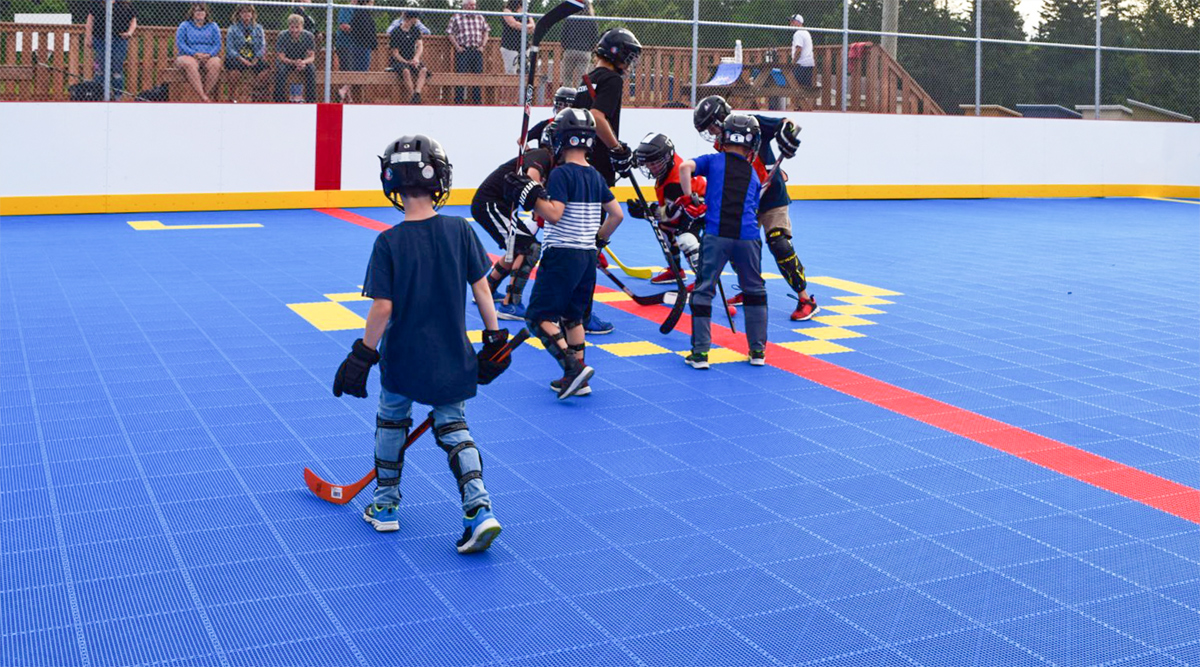
Bloom skips real ice altogether, swapping it for synthetic surfaces that let players drill any time. Without needing freezing temps or massive buildings, training stays steady through every season. Costs drop when you ditch refrigeration and huge spaces, making regular sessions possible. Practice fits tighter schedules now, focused purely on growth without delays.
What stands out at Bloom Hockey Training Centre? The setup mimics actual ice scenarios, yet carves out zones tailored for specific practice routines. Inside, every detail feeds into realistic prep without losing precision. Spaces shift seamlessly from broad simulation to tight skill work. Realism stays high, even off the rink. Design choices here don’t just copy ice – they reshape how players engage it.
Not like regular rinks, Bloom runs on special artificial ice tiles designed to mimic true gliding resistance. Because of this setup, skating moves, passing, and blade control stay close to natural conditions – yet cost far less to run. With no need for constant resurfacing, practice sessions stretch longer. Fewer interruptions mean more consistent drills, just smoother workflow behind the boards.
Shooting begins here – repetition shapes response across several custom-built lanes. Athletes work on power first, then flow into precision through consistent reps. One moment focuses on timing, the next shifts to stance without warning. Wrist shots arrive fast, followed by slaps that crack against net mesh. Snap releases pop up mid-session, demanding quick adaptation. Feedback comes instantly, built right into each move forward. Progress shows not in words but numbers tracked silently over time.
Athletes who want focused time can book a lane just for them. When working alone or in tiny groups, having space without interruptions makes it easier to dive into details. Coaching gets sharper when the environment cuts out noise and splits away from group dynamics. Specific moves or tough spots in technique get more room to grow here.
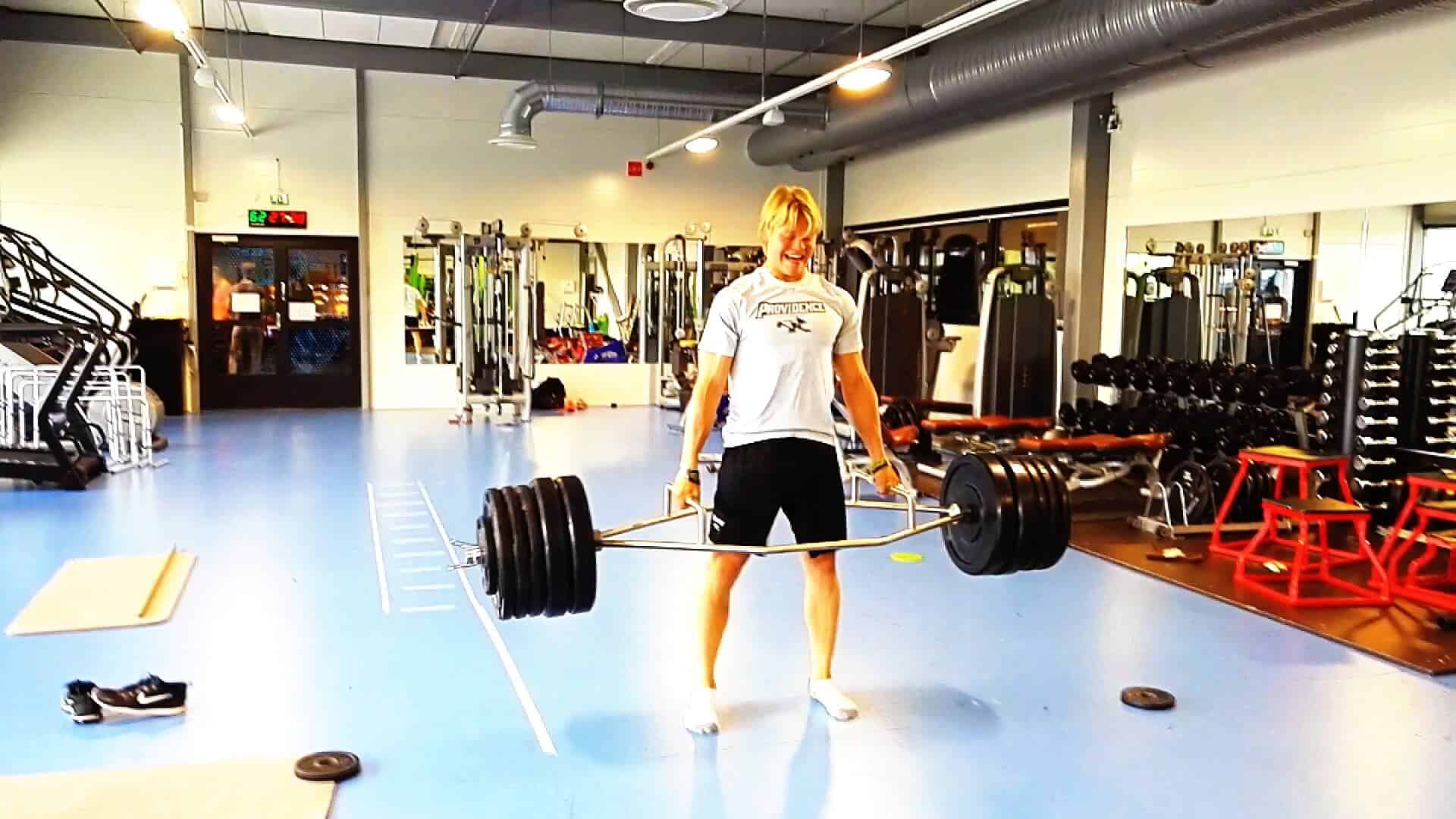
Not just about skating sharpness, growth at Bloom reaches beyond the rink into solid ground work. A full gym stands ready, filled with tools like weight stacks, dumbbells, treadmills, and open spaces built for movement drills. Each routine shaped inside these walls targets what hockey players truly need – raw force, explosive speed, quick shifts, lasting stamina. This is where bodies learn to match ambition.
Running paths sit just off the ice, built for quick bursts and sharp steps. From a standstill, players drive forward fast, cutting sideways without slowing down. Sudden stops follow rapid sprints, each rep shaping game‑ready reflexes. Endurance grows not through long miles but repeated surges under pressure. Every detail aligns with real match demands – no extra motions, no wasted effort.
Pushing hard in workouts means your body needs good fuel. Because of this, what you eat matters a lot for how well you bounce back. At Bloom, the food available right there is chosen carefully. It keeps energy steady when things get intense. Items like shakes and fruit are close by so eating smart fits into busy schedules. Refilling calories happens naturally that way, both earlier and later in the day.
Every player walks a different path. Bloom Hockey Training Centre builds programs that grow as skills do. Whether just starting out, moving up, or chasing top-tier goals, the approach shifts to fit. One method never fits all here. Custom shapes each session, matching pace and purpose.
One-on-one workouts aim to speed up learning by tailoring guidance directly to the person. Right after a move is made, players hear what worked or missed – like how they shot, handled the puck, stood while gliding, or chose plays when crowded. What shows up on film gets broken down frame by frame, paired with body motion tips adjusted as skills grow. Insights from movement patterns feed into fixes shaped around how fast someone improves.
Training blocks are open to teams and groups looking for organized setups. At each station, skills get sharpened while drills add fire through competition. Strategy talks follow, tying ideas together so everyone moves as one. When practice feels like a challenge, effort rises naturally among teammates. Precision grows where motivation is shared across the group.
Spring breezes roll in, Bloom already setting up camp – skills sharpened here under open skies. Tactical drills unfold alongside quiet talks on mindset, one feeding the next without rush. Summer heat arrives, intensity humming through every session held outdoors or inside cooled halls. Growth happens piece by piece, never forced, just shaped through steady rhythm. Players arrive aiming for tryouts, some eyeing leagues ahead, others reaching toward tougher stages they have yet to face. Each step built differently, none skipped.
One key piece of how they train? Checking progress often. Each player gets looked at regularly, so changes in shooting precision, how well they move on court, or decision speed become clear over time. Because of these insights, coaches tweak workouts – shaping them around goals that stretch effort but still feel within reach.
What sets Bloom Hockey Training Centre apart? Coaching there carries weight, built on real involvement in serious hockey circles. Instead of just theory, instructors bring years spent shaping athletes through competition and growth programs. Some played or trained teams in junior leagues, others worked within college systems – this gives them sharp insight into what high-level play really asks of people.
At Bloom, coaching goes beyond skill drills. What matters most? Seeing the game unfold before it happens. Players learn to watch not just the puck but everyone around it. Because timing beats speed when choices come fast. Thinking ahead becomes second nature through repetition. Decisions under pressure shape real performance. That mental edge makes the difference.
Here’s something different – at Bloom Hockey Training Centre, learning happens alongside connection. Players show up from all sorts of places, each bringing their own story. A shared space grows naturally when people meet through sport. Progress shows not just in skill, but in how teammates move together. Belonging rises quietly within those walls, built without fanfare.
Bloom opens doors to hockey for kids and parents, even when gear, trips, or rink access feel out of reach. With fake ice practice spaces and clear learning paths, progress becomes possible without heavy costs standing in the way.
Bloom has had wins, yet still faces hurdles typical for niche education hubs. Things like limited resources show up often in programs focused on specific skills
Funny thing is, when you watch how quickly the team adapts at that facility, it hints – without shouting – that Bloom might quietly reshape how the game moves forward. Still, progress isn’t loud; it shows up in sharper passes, faster recoveries, subtle shifts only players notice. Truth? The real sign of change sits in those small wins piling up after every session.
Every now and then, a place comes along that shifts how people think about learning hockey. Bloom Hockey Training Centre does exactly that by stepping beyond old-school drills into smarter ways of building talent. Because each session focuses sharply on real skills, progress feels natural rather than forced. Coaches shape the work around who shows up, guiding moves step-by-step while keeping players in charge of their climb. Some arrive hoping to join serious teams; others aim to sharpen what they already do well – either way, gains happen fast here. Growth isn’t limited to footwork or stickhandling – mindset gets trained too. Ice time matters, sure, but everything between sessions shapes outcomes just as much.
Out here, new ideas take shape because support runs deep within the walls where players train. What grows inside isn’t just skill – it’s belonging, built day by day through shared effort. Progress shows up quietly, shaped by routine, trust, tied together without fanfare.