Speed drives hockey, yet strength matters just as much. Though ice time builds talent, workouts away from the rink shape resilience too. Away-from-rink drills boost power, sharpness, and stamina without skates beneath feet. Injury risks shrink when bodies adapt through grounded practice. Focus shifts to balance, reaction, and drive during these sessions. Every move ties back to real-game demands. Players gain edge not by chance but through structured effort off snowless surfaces. Coaches see growth where sweat meets plan. Enthusiasts notice how preparation hides in plain sight. Success links closely to what happens between games. Training without puck or boards still shapes outcome. Effort splits evenly across realms – frozen and solid ground alike.
Dryland Hockey Training Explained
Off the ice, players work on skills that matter when they skate. Strength sessions mix with quick movements to build what matters during play. Gains made here show up in faster strides and harder shots later. Balance tasks link to better control between the boards. Endurance builds stamina needed through three periods. Flexibility helps avoid injury while reaching full stride. Progress comes from connecting each move to real moments in games.
Not like regular workouts, dryland hockey drills zero in on what the sport actually demands. Explosive pushes from the legs show up hard here, along with rock-solid midsection control. Twisting strength matters just as much as darting sideways fast. Today’s methods also weave in sharpness of mind and body together. Coordination gets sharper when reactions link tightly with thought. Thinking under pressure becomes smoother through repeated cues. Movement ties directly to choices made in split seconds.
Dryland Hockey Training Builds Strength Speed And Conditioning Off The Ice
Strength gains happen without needing a pool nearby. Because workouts target similar muscles, swimmers keep power on land. Injury risks drop when joints get a break from constant water resistance. Since routines build stability, balance improves too. Time spent training adds up even during travel or bad weather. When consistency matters most, these sessions make sure progress continues
- Starting fast matters a lot when playing hockey. Pushing off quickly comes easier after working legs through moves like squats and lunges. Some athletes also lift heavy in patterns seen in Olympic styles. This kind of practice builds explosive movement. Stronger muscles mean quicker acceleration from a stop. Harder slapshots often follow from that added drive.
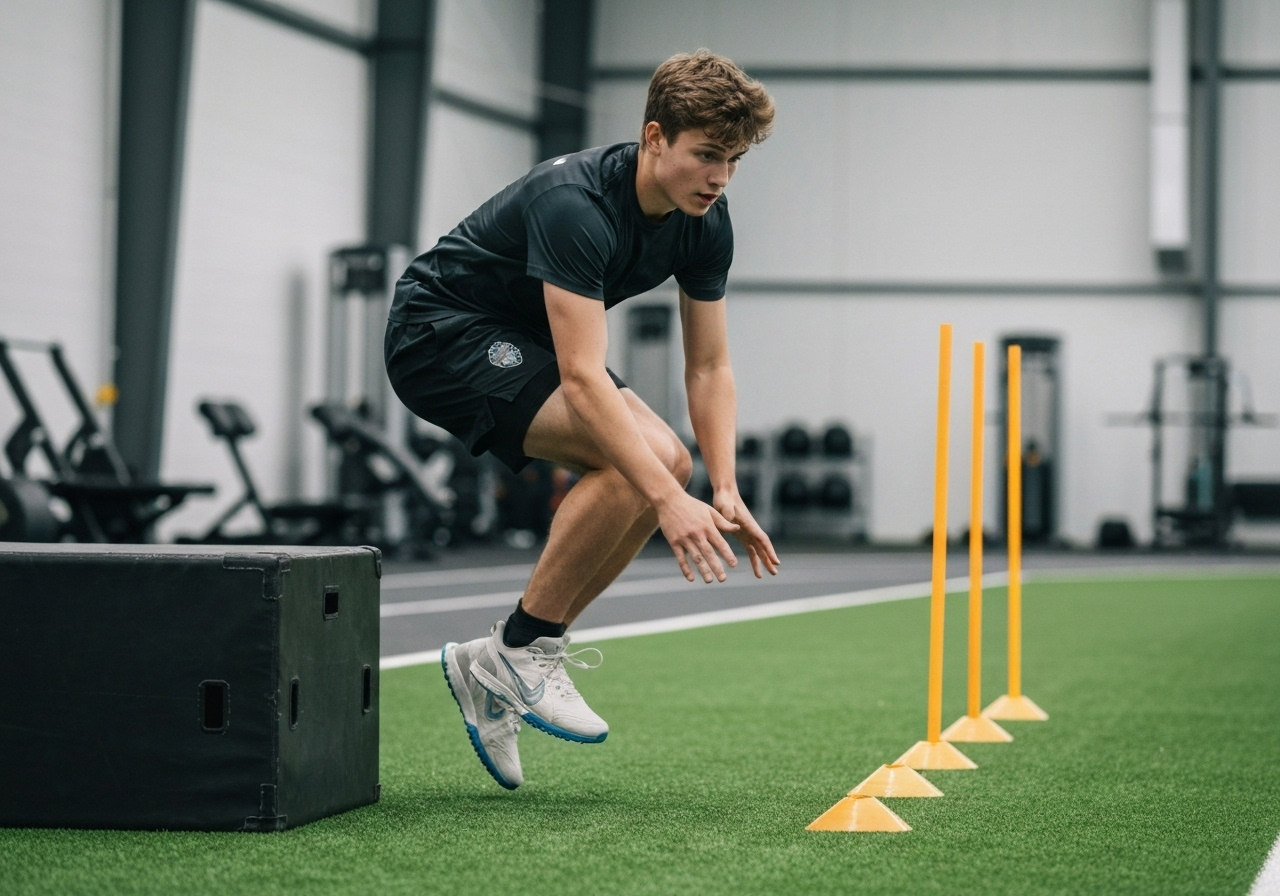
- Fast shifts on ice demand sharp reflexes. Because of this, jumping routines build muscle response. Footwork patterns using rungs train balance mid-stride. Sudden sprints around markers sharpen control when darting sideways. Each motion links power with precision through repeated timing.
- Crashing into others or cutting fast on ice tests a hockey player’s body hard. Yet building key muscles off the ice helps hold joints steady when movement gets wild. When stability rises, so does control through sudden stops or pivots. Stronger support around knees, ankles, and hips means less chance of tearing ligaments or pulling muscles. Moves that once led to setbacks become part of smoother, safer play.
- When the body gets used to quick bursts of effort followed by rest, it learns to keep going without slowing down. Hard runs mixed with walking help the heart deliver oxygen better during long stretches on the ice. After a fast shift, breathing evens out faster when this system works well. Staying strong late in matches often comes from these kinds of workouts. Recovery gains happen quietly over time, not overnight.
- Fatigue changes how the mind works. Some off-ice workouts include mental drills while bodies are tired. These push athletes to stay sharp when worn down. Pressure in games feels similar, so practice builds steadiness. Quick thinking grows stronger this way. Minds learn rhythm even when exhausted.
Key Elements in Off Ice Hockey Conditioning
1. Strength Training
Power matters a lot when playing hockey – helps you move faster, stay steady, hit harder, hold your ground. Off-ice workouts focus on moves that copy what happens during games. Typical routines involve:
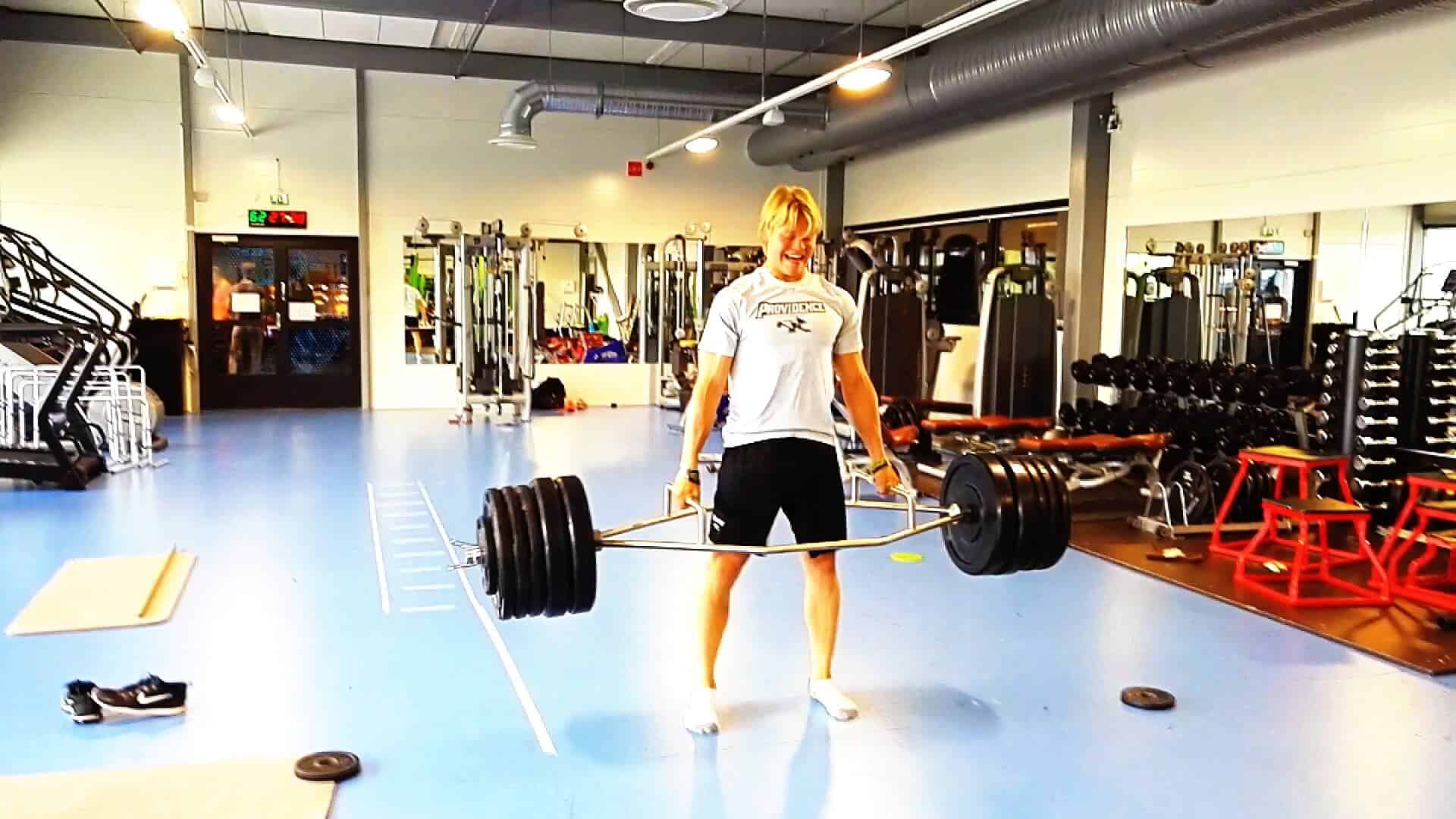
- Starting strong, squats build power in the front thighs. Moving on, lunges target the back of the legs with steady effort. Step-ups push the hips and buttocks into action through upward motion. Finishing off, deadlifts engage the lower body’s full chain, especially those calf muscles that drive quick movement across ice. Each exercise fuels sharp, fast pushes needed when skating hard.
- Stability begins with planks – holding tight keeps everything steady. Twisting slowly on the floor builds control, one turn at a time. Throwing a weighted ball across your body teaches force to move smoothly through motion. Each movement ties into how you stand, shift, and send energy outward.
- Stronger chest, back, and arms come from moves like bench presses, rows, push-ups, yet also shoulder drills – each helping a player handle the puck with more control. Shooting gains power too when these muscles build up through steady effort without flash.
2. Plyometrics and Explosive Training
Quick muscle stretches followed by sharp movements get better through plyometrics. Skating sprints, sudden shots, or hard checks feel more natural when training this way. Box jumps work just as much as side leaps across a line. One-legged hops build control while tossing heavy balls adds burst strength. Fast twitch fibers respond strongly to these drills. Speed builds up naturally during real moments on the ice.
3. Agility and Speed Training
Faster bursts off the mark matter just as much as sharp turns do in hockey. Drills away from ice stress quick footwork while building control at high pace
- Footwork exercises boost how fast you move your feet, stay balanced, then react swiftly. Step patterns help timing, control, followed by sharp movements. Quick steps build rhythm, precision, next agility. Training with ladders sharpens reaction time, balance, also direction changes.
- Lateral quickness gets a boost through cone drills. Pivoting sharpens when cones mark the turns. Changing direction feels smoother each time around them.
- Pulling against a weighted sled builds sharp bursts of motion. Bands stretched behind you force harder steps at takeoff. Muscles fire faster when dragging extra load forward. Quick launches grow stronger through resisted runs. Force generated early in sprinting improves under tension.
Faster reactions start here, where mind links with movement during play. Opponents’ moves become easier to track through repeated practice. Game flow shapes each response, building sharpness without extra effort.
4. Endurance and Conditioning
Hockey shifts pack a punch – brief bursts of nonstop motion demand sharp anaerobic readiness along with steady aerobic base. Off-ice training builds this mix through drills that push pace without ice underfoot
- Bursts of intense movement, then pauses – this rhythm mirrors how hockey plays out on ice. Quick sprints followed by stillness shape the body like game-time demands. Rest comes right after exertion, just as shifts unfold during matches. The pattern pushes limits, yet allows recovery between efforts. Maximum output in small windows builds stamina naturally. Breaks are built in, making it sustainable despite high pace. This method copies real-game flow without needing a rink.
- Fitness moves linked back to back mix power work with heart-pumping effort. One after another they build stamina in muscles while toughening up circulation too. Routines stack bursts of lifting alongside sprints of motion. Each round pushes both energy systems without long breaks between. Steady flow sharpens how long bodies can keep going.
- Stamina builds through steady runs or bike rides that go on for a while. These workouts keep your heart working without pushing too hard. Shifting from one game to the next feels smoother when fitness holds strong. Recovery gets easier when breathing stays under control. Moving steadily trains the body to bounce back faster.
5. Balance Stability Flexibility
Staying steady on your feet helps you move smoothly across the ice while lowering chances of getting hurt. Try moves that challenge how well you can bend and shift without falling. These kinds of workouts usually look like this
- Balance Boards or Bosu Balls: Enhance proprioception and ankle stability.
- One leg at a time builds balance, making shifts in motion smoother on ice. Standing on just one foot wakes up small support muscles often ignored. Movement becomes more controlled when each side works alone. Power flows better from limb to surface when stability is trained separately.
- Start loose, then move into flowing stretches – yoga helps open up tight hips so legs swing easier. Length in the hamstrings builds naturally when you ease into poses slowly over time. Groin tension fades with gentle pressure, letting steps stretch farther without pull. Movement becomes smoother, less resistance means fewer setbacks.
6. Hockey-Specific Skills Off-Ice
Focusing just on fitness isn’t the full picture when it comes to dryland work – players can keep sharpening their moves even away from frozen rinks. Off-ice moments offer quiet chances to lock in habits that stay useful once skates hit snowless ice
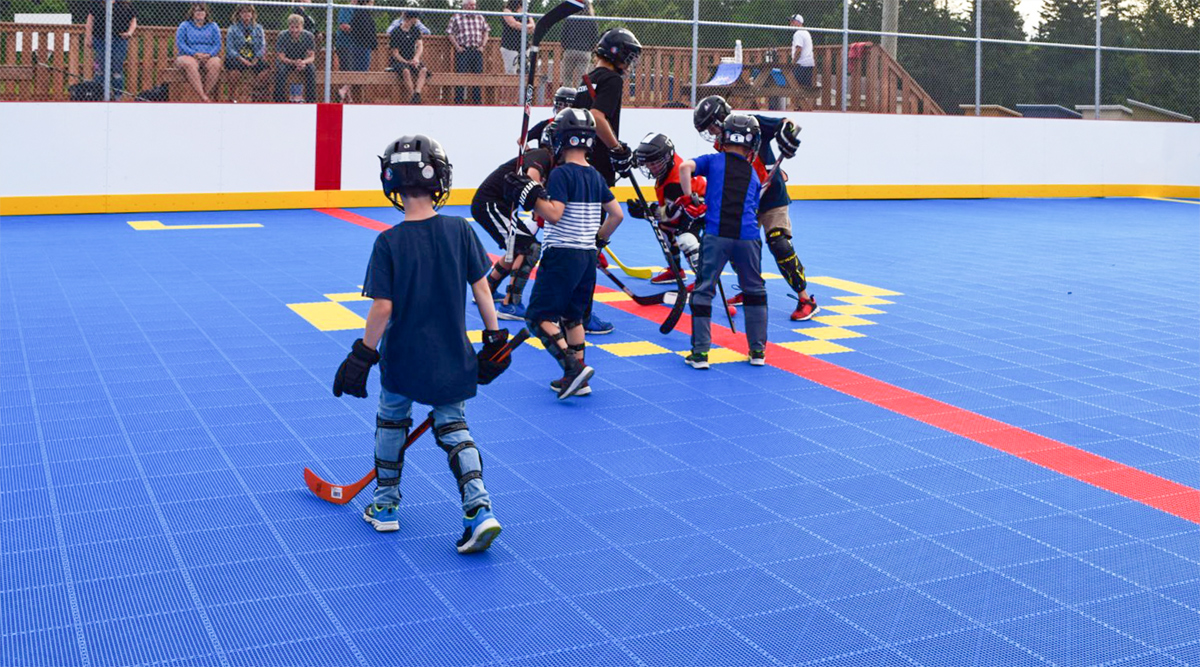
- Start here – practice stickhandling with a ball or puck over fake ice to sharpen how hands and eyes work together. Instead of just passing, focus shifts to tight control under pressure. A smooth surface keeps movements realistic. Without steady practice, small mistakes grow. Watch each motion slow down near turns. Feel the weight shift during quick stops. This builds better touch without needing full ice time.
- Pulling strength from slow drags of a heavy stick through empty air builds what the body recalls when aiming at net. Resistance molds motion, shaping how wrists flick during sudden bursts. Snap follows tension, each repetition etching timing into movement. Slap motions swing wide even without ice – just space, weight, and repeat.
- When tired, tossing a small bouncy ball back and forth sharpens quick thinking. Movements at the edge of sight get clearer through these fast exchanges. Split-second choices grow more accurate with repeated bursts of catch and return. Fatigue fades into background noise as focus tightens on timing and response.
Building a Simple Dryland Training Plan
A solid dryland hockey plan mixes hard work, how much you do, along with time to rest. Important ideas involve:
- Athletes often split their year into chunks – rest, prep, competition – to stay sharp without burning out. Each phase shifts focus depending on timing and goals. Recovery follows intense phases so the body can adapt. Workload climbs slowly when fitness matters most. Rest periods plug gaps between heavy workloads. Planning ahead keeps energy available when it counts.
- One step heavier each time helps your body keep changing. Work grows harder bit by bit so gains don’t stop. Load climbs slowly, pushing strength forward. Effort builds just beyond last week’s level. Change sticks when challenge rises piece by piece.
- Rest helps the body adjust. Some downtime every week gives muscles a chance to heal. Moving gently through stretches can ease tight spots. Rolling over sore areas with a firm tube may reduce stiffness. Sleep tuned just right supports repair. These pieces fit together so strain does not build up too fast.
- One size never fits all when it comes to training. Depending on a player’s role, how experienced they are, their age, or physical limits, routines shift. For defensemen, building raw strength often takes center stage. Meanwhile, forwards tend to sharpen quick turns and bursts of pace instead.
Conclusion
Off the ice, working out builds key parts of hockey ability. Because it focuses on strength, quick movements, stamina, stability, and keeping skills sharp, practice away from the rink shows up in game performance. When athletes spend hours on dryland drills, gains appear not just in how they move, yet also in mental toughness, self-assurance, and reading plays.

 1
1