11
11
Interior design is far more than arranging furniture and choosing paint colors—it is the careful art and science of creating spaces that are both functional and visually appealing. Whether in homes, offices, or public spaces, interior design shapes how we experience our environment, influencing mood, productivity, and well-being. In this article, we explore the multifaceted world of interior design, its principles, trends, and the impact it has on our daily lives.
Interior design is a discipline that combines creativity, psychology, and technical knowledge. At its core, it involves designing the interior of spaces to make them aesthetically pleasing, comfortable, and efficient. This requires a balance between artistic expression and practical functionality. A skilled interior designer considers light, color, materials, texture, and furniture layout to create cohesive spaces that meet the needs of the occupants.
The importance of interior design extends beyond mere decoration. Good interior design enhances lifestyle, promotes positive emotions, and can even improve health. For instance, carefully planned layouts reduce clutter and stress, while natural lighting and ventilation contribute to physical and mental well-being. This makes interior design an essential aspect of modern living.
To understand how interior design achieves its impact, it is helpful to explore the fundamental principles that guide it. These principles serve as the backbone for creating harmonious and functional spaces.
Balance in interior design ensures that no single element overpowers the room. This can be achieved through symmetrical, asymmetrical, or radial arrangements. For example, placing matching chairs on either side of a table creates a sense of visual stability, whereas an asymmetrical layout may balance a large sofa with multiple smaller chairs or decorative elements.
Harmony is about ensuring that all elements of a room work together visually. This principle helps in creating a sense of cohesion where colors, textures, and shapes complement each other. Interior design employs harmony to connect various areas of a space so that the overall experience feels consistent and inviting.
Emphasis involves drawing attention to a focal point in a room, such as a striking piece of artwork, a fireplace, or a feature wall. Interior design strategically uses color, lighting, and arrangement to highlight these key elements and make them stand out.
Proportion relates to the size relationships between objects in a space, while scale refers to how objects fit into the room. Interior design considers both to ensure that furniture, decor, and architectural elements are visually balanced and appropriately sized for the space.
Rhythm in interior design creates a visual flow that guides the eye through a space. Repeating patterns, colors, or shapes can generate a sense of movement and continuity, making the environment feel dynamic rather than chaotic.
Interior design trends evolve constantly, reflecting changes in lifestyle, technology, and cultural influences. Currently, several trends dominate the design world:
Sustainability is a major focus in interior design today. Designers increasingly prioritize eco-friendly materials, energy-efficient lighting, and responsible sourcing. This trend not only supports the environment but also enhances the health and comfort of occupants.
Minimalist interior design emphasizes simplicity, clean lines, and a clutter-free environment. This style focuses on functional furniture, neutral color palettes, and open spaces, creating a serene atmosphere that promotes relaxation and mental clarity.
Biophilic design integrates natural elements like plants, natural light, and organic textures into interior spaces. Studies show that incorporating nature into interiors can reduce stress, improve mood, and boost productivity, making this trend particularly relevant in workplaces and homes.
Technology has transformed interior design through smart home devices, automated lighting, and climate control systems. Interior designers now integrate these innovations seamlessly, ensuring spaces are both modern and convenient.
Interior design is highly adaptable, tailored to the unique needs of different spaces.
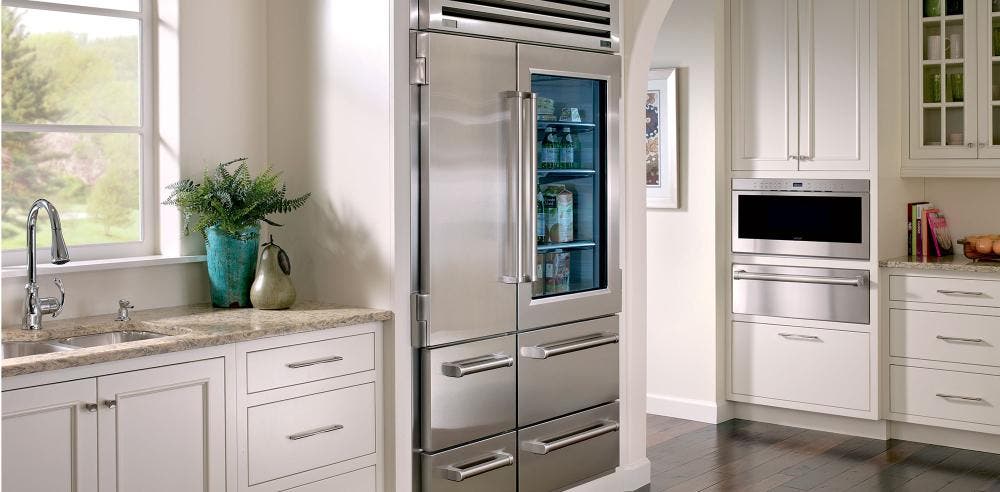
In homes, interior design creates environments that reflect personal taste while maintaining comfort and functionality. Designers focus on living areas, kitchens, bedrooms, and bathrooms, combining aesthetics with practical solutions. Residential interior design often emphasizes personalization, allowing homeowners to express their identity through color schemes, furniture choices, and decorative details.
Commercial interior design addresses the needs of offices, restaurants, hotels, and retail stores. Here, the goal is to create spaces that enhance efficiency, attract customers, and support brand identity. Interior design in commercial settings carefully considers ergonomics, lighting, and traffic flow to maximize productivity and customer satisfaction.
Interior design also plays a crucial role in museums, theaters, and other public spaces. The design must accommodate large groups while providing comfort, safety, and aesthetic appeal. Well-designed public interiors can transform a simple visit into a memorable experience.
An interior designer is a professional who applies creativity, technical knowledge, and project management skills to transform spaces. They begin with understanding the client’s needs, conducting site analysis, and developing conceptual plans. Designers then select materials, furniture, and lighting while coordinating with architects, contractors, and vendors. Effective interior design requires both artistic sensibility and problem-solving abilities.
Education and certification in interior design also ensure that professionals follow industry standards and regulations. Licensed interior designers understand building codes, safety requirements, and accessibility guidelines, making them essential for both residential and commercial projects.
Interior design is a dynamic blend of art, science, and psychology. It shapes not only the physical appearance of spaces but also the experiences and emotions of those who inhabit them. By adhering to principles like balance, harmony, and proportion, interior design transforms ordinary rooms into functional, beautiful environments. With the growing focus on sustainability, minimalism, and technology integration, interior design continues to evolve, responding to modern needs and lifestyles. Whether in a cozy home, a bustling office, or a public space, thoughtful interior design enhances our lives, creating spaces that inspire, comfort, and delight.
Through careful planning, creativity, and attention to detail, interior design proves that our surroundings are not just backdrops—they are integral to how we live, work, and feel.