11
11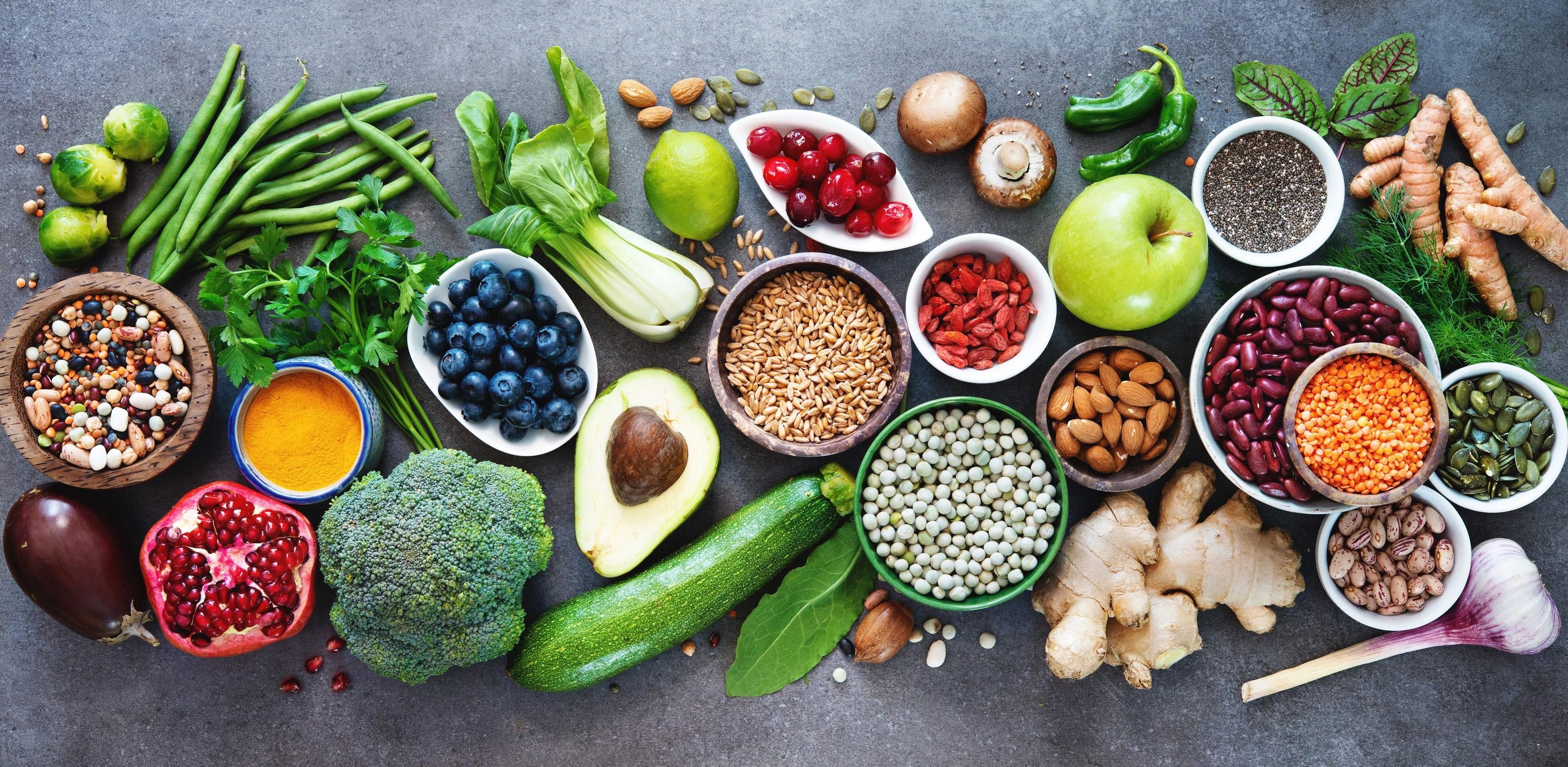
Maintaining a healthy diet is one of the most effective ways to support overall well-being, boost energy levels, and prevent chronic diseases. In today’s fast-paced world, it can be easy to rely on processed foods or skip meals, but understanding the principles of a healthy diet can transform your health from the inside out. This article explores the key components of a healthy diet, practical tips for incorporating nutritious foods into daily life, and the long-term benefits of maintaining balanced eating habits.
A healthy diet is more than just a set of foods; it is a lifestyle approach that prioritizes nutrient-rich, balanced meals. It typically emphasizes:
Fruits and vegetables, which provide essential vitamins, minerals, and antioxidants.
Whole grains, such as brown rice, oats, and quinoa, which supply fiber and sustained energy.
Lean proteins, including fish, poultry, beans, and legumes, to support muscle growth and repair.
Healthy fats, like those found in nuts, seeds, and olive oil, which are vital for brain function and hormone production.
Eating a variety of foods ensures that your body receives a wide range of nutrients, preventing deficiencies and promoting overall health. A healthy diet also means limiting foods high in added sugars, salt, and unhealthy fats, which can contribute to obesity, heart disease, and diabetes.
Adopting a healthy diet offers numerous benefits that extend beyond physical health:
Improved Energy Levels
Consuming nutrient-dense foods provides a steady source of energy throughout the day. Unlike sugary snacks, which cause spikes and crashes, complex carbohydrates and proteins help maintain stable energy levels.
Weight Management
A healthy diet aids in maintaining a healthy weight by balancing calorie intake with nutrient density. Foods high in fiber and protein keep you fuller longer, reducing overeating and unhealthy snacking.
Disease Prevention
Regularly eating fruits, vegetables, and whole grains strengthens the immune system and lowers the risk of chronic diseases such as heart disease, type 2 diabetes, and certain cancers.
Mental Well-being
Nutrition directly affects brain function. Omega-3 fatty acids, antioxidants, and vitamins from a healthy diet can improve mood, reduce anxiety, and enhance cognitive performance.
Better Digestive Health
High-fiber foods, a staple of a healthy diet, promote a healthy gut microbiome, improve bowel movements, and reduce the risk of gastrointestinal disorders.
Fruits and vegetables should form the cornerstone of any healthy diet. They are rich in vitamins, minerals, and antioxidants that combat free radicals, reduce inflammation, and support immune function. Aim for a colorful plate, incorporating leafy greens, berries, and cruciferous vegetables such as broccoli and cauliflower.
Whole grains provide complex carbohydrates and dietary fiber, essential for sustained energy and digestive health. Incorporating whole grains like oats, barley, and whole wheat into meals helps regulate blood sugar levels and promotes satiety, making it a vital element of a healthy diet.
Protein is crucial for muscle repair, immune function, and maintaining a healthy metabolism. A healthy diet includes lean sources of protein such as chicken, fish, tofu, legumes, and eggs. These options provide essential amino acids without excessive saturated fats.
Not all fats are harmful. Healthy fats, including monounsaturated and polyunsaturated fats, support brain health, reduce inflammation, and improve heart health. Incorporate foods like avocados, olive oil, nuts, and fatty fish into a healthy diet to balance nutrient intake.
Proper hydration is often overlooked but is an essential part of a healthy diet. Water supports digestion, nutrient absorption, and toxin removal. Aim to drink at least eight glasses of water daily, and consider herbal teas or infused water for variety.
Plan Your Meals
Preparing meals in advance ensures you have access to balanced options and reduces the temptation to reach for fast food.
Mindful Eating
Pay attention to hunger cues and avoid eating out of boredom or stress. Mindful eating encourages a deeper connection with food and helps maintain a healthy diet.
Moderation Over Restriction
Completely eliminating certain foods can lead to cravings and bingeing. Instead, practice moderation and enjoy treats occasionally while focusing on nutrient-dense choices.
Read Labels
Understanding nutritional labels helps you make informed decisions about what you eat, ensuring your choices align with a healthy diet.
Incorporate Variety
A diverse diet prevents nutrient deficiencies and keeps meals interesting. Rotate vegetables, grains, and protein sources to enjoy different flavors and benefits.
Myth 1: Eating healthy is expensive
While some organic or specialty foods can be costly, many staples like beans, rice, and seasonal produce are affordable and nutritious.
Myth 2: Healthy diets are bland
A healthy diet can be flavorful and exciting. Herbs, spices, and cooking techniques enhance taste without adding unhealthy ingredients.
Myth 3: Carbs are bad
Complex carbohydrates from whole grains are essential for energy and should be included in a healthy diet. Avoid refined sugars instead.
A healthy diet is a sustainable, lifelong approach to eating that prioritizes nutrient-rich foods, balanced meals, and mindful habits. By incorporating fruits, vegetables, whole grains, lean proteins, and healthy fats, you can fuel your body effectively, maintain a healthy weight, and reduce the risk of chronic diseases. Beyond physical health, a healthy diet also supports mental well-being, energy levels, and digestive health. Small, consistent changes—like meal planning, mindful eating, and hydration—can transform your lifestyle. Embracing a healthy diet is not about restriction; it’s about creating a nourishing relationship with food that promotes vitality, longevity, and overall wellness.
A commitment to a healthy diet is a gift to yourself, ensuring that every meal contributes to your well-being and allows you to thrive physically and mentally. By prioritizing nutrition, you are investing in a healthier, more energetic, and fulfilling life.