11
11
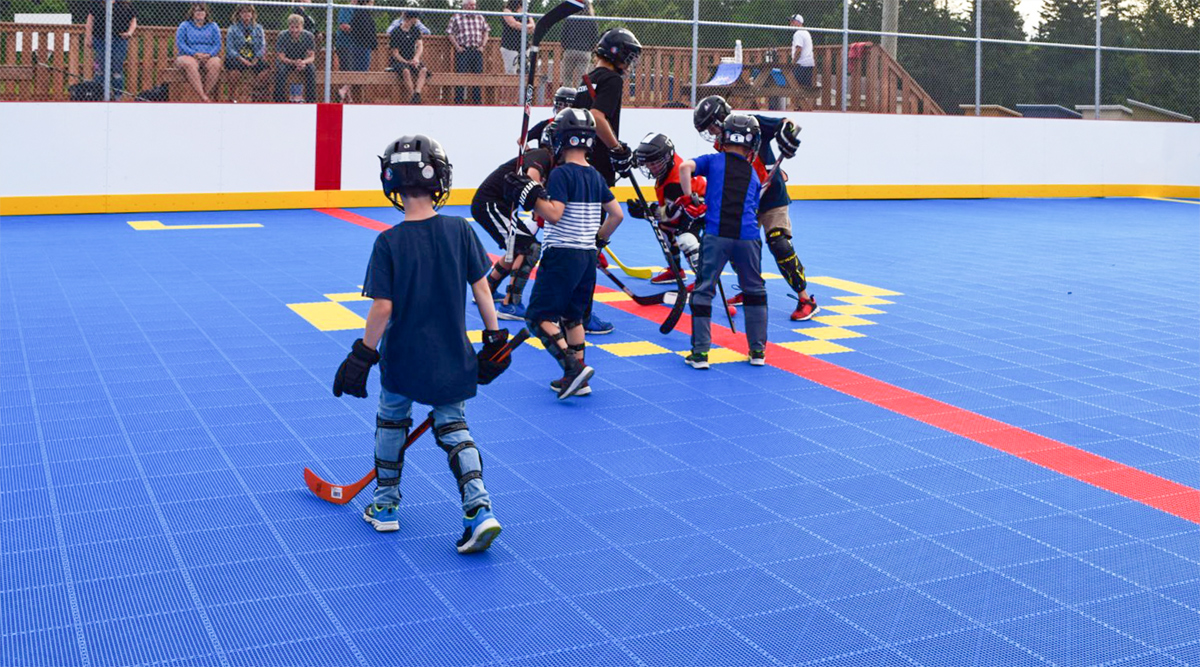
Indoor hockey is a fast-paced sport that demands speed, agility, and precise ball control. While players, sticks, and skills often receive the spotlight, one of the most important elements of the game lies beneath the athletes’ feet—the flooring. Indoor hockey floor tiles play a crucial role in ensuring player safety, consistent ball movement, and long-term durability of the playing surface. Modern sports facilities are increasingly adopting specialized modular tiles designed specifically for indoor hockey environments.
Unlike traditional concrete or wooden surfaces, indoor hockey floor tiles are engineered to meet the unique demands of the sport. The surface must allow smooth and predictable ball movement while also providing players with the right amount of grip. Too much friction can slow down gameplay, while too little can increase the risk of slipping. High-quality hockey tiles strike a balance between traction and glide, helping athletes perform at their best.
Safety is another major factor. Players frequently sprint, pivot, and change direction quickly. Shock-absorbing tile systems help reduce the impact on joints and muscles, minimizing the risk of injuries during training sessions and competitive matches.
Modern indoor hockey flooring systems incorporate several advanced features that make them ideal for sports facilities:
1. Shock Absorption
Quality tiles include cushioning properties that reduce stress on knees, ankles, and the lower back. This is especially important in indoor environments where players train regularly.
2. Anti-Slip Surface
A textured yet smooth surface provides reliable grip without interfering with the movement of the hockey ball.
3. Modular Interlocking Design
Most indoor hockey floor tiles use an interlocking mechanism, allowing them to be installed quickly without adhesives. This modular design also makes it easy to replace damaged tiles individually.
4. Durability and Load Resistance
Sports flooring must withstand intense foot traffic, equipment movement, and constant gameplay. High-density polypropylene or similar materials are commonly used to ensure long-term performance.
5. Consistent Ball Response
The uniform structure of the tiles ensures predictable ball speed and direction, which is essential for maintaining fairness and competitive standards.
Indoor hockey tiles are usually made from advanced polymer materials such as polypropylene or specialized sports PVC. These materials offer several advantages including moisture resistance, easy cleaning, and resistance to wear. Some high-performance systems also include multi-layer designs that combine strength with shock absorption.
In addition, many tiles are treated with UV stabilizers and anti-bacterial coatings, making them suitable for multi-purpose indoor sports halls.
One of the biggest advantages of modular hockey floor tiles is their easy installation. The interlocking system allows facility managers to assemble large playing surfaces quickly without the need for heavy tools or permanent adhesives. This also means the flooring can be dismantled and relocated if necessary.
Maintenance is simple and cost-effective. Regular sweeping and occasional damp mopping are usually sufficient to keep the surface clean. Because individual tiles can be replaced, repairs are far less expensive compared to traditional sports flooring systems.
Many modern sports flooring manufacturers now produce eco-friendly indoor hockey tiles using recyclable materials. The long lifespan of these tiles also reduces waste and replacement costs over time. For schools, sports academies, and community centers, modular flooring can be a cost-efficient investment that supports years of athletic activity.
While designed primarily for hockey, these tiles are versatile enough to support other indoor sports such as futsal, basketball training, and fitness activities. This mult