Hockey is a sport that demands a unique blend of physical fitness, mental acuity, and technical skill. Whether you’re a beginner just lacing up skates for the first time or a seasoned player aiming for professional levels, effective hockey skills training is the cornerstone of improvement. This article explores the key areas of hockey development, practical drills, conditioning strategies, and mental approaches to elevate your game on the ice.
1. Skating Skills: The Foundation of Hockey
Skating is arguably the most critical skill in hockey. A player’s ability to maneuver quickly, accelerate, stop on a dime, and maintain balance directly influences performance in games.
a. Forward Skating
Forward skating is the basis for all movement in hockey. Training focuses on stride efficiency, speed, and endurance. Key drills include:
- Stride Push Drill: Focus on powerful, long strides, maintaining a low center of gravity. This enhances speed while conserving energy.
- Sprint Intervals: Alternate between short bursts of maximum speed and moderate cruising to improve explosive acceleration.
b. Backward Skating
Backward skating is vital for defensemen and forwards tracking opponents. Training emphasizes backward stride strength and agility.
- Crossover Drill: Practice crossovers to improve stability and mobility while skating backward.
- Backward Sprint Drill: Short, fast backward sprints to develop reactive speed and quick transitions.
c. Stops and Turns
Stopping and changing direction efficiently prevents opponents from exploiting gaps.
- Hockey Stop Drill: Focus on keeping knees bent, leaning into the stop, and sliding edges to avoid injuries.
- Tight Turn Drill: Set up cones in tight patterns to practice quick pivots and direction changes, which improve evasive maneuvers during gameplay.
2. Stickhandling Skills: Control and Precision
Control of the puck through stickhandling is fundamental. Superior stickhandling allows players to maintain possession under pressure and create scoring opportunities.
a. Basic Stickhandling
Players should develop the ability to move the puck smoothly in all directions.
- Figure-Eight Drill: Move the puck in a figure-eight pattern around two cones, emphasizing wrist movement rather than arm strength.
- Stationary Puck Control: Practice moving the puck side-to-side, maintaining speed and precision.
b. Advanced Stickhandling
Advanced drills simulate game conditions, improving reflexes and hand-eye coordination.
- Obstacle Course: Weave through cones or sticks while maintaining puck control, replicating opponents’ pressure.
- Rapid Movement Drill: Focus on changing puck direction quickly with small, controlled movements to evade defenders.
c. Hand-Eye Coordination
Effective stickhandling requires exceptional hand-eye coordination.
- Wall Pass Drill: Pass the puck against a wall and receive it back while moving; track the rebound for accuracy.
- Two-Puck Drill: Handle two pucks simultaneously to challenge focus and coordination.
3. Shooting Skills: Accuracy and Power
Scoring in hockey depends on the ability to shoot quickly, accurately, and from different positions.
a. Wrist Shot
The wrist shot is essential for accuracy and quick releases.
- Target Practice Drill: Aim for specific areas in the net, increasing precision over time.
- Quick Release Drill: Focus on releasing the puck with minimal setup to catch goalies off-guard.
b. Slap Shot
Slap shots generate maximum power, often used in point shots or clearing the puck.
- Power Drill: Concentrate on full-body mechanics, using legs, core, and shoulders for maximum velocity.
- Accuracy Drill: Aim for marked zones in the net to combine power with precision.
c. Snap and Backhand Shots
Snap shots and backhands are crucial for versatility in tight spaces.
- Snap Shot Drill: Practice releasing the puck quickly from a short windup.
- Backhand Drill: Use different angles to shoot backhand, improving unpredictability in offensive plays.
4. Passing Skills: Building Team Chemistry
Hockey is a team sport, and accurate passing is critical to maintaining puck possession and executing plays.
a. Forehand Passing
Fundamental for quick transitions.
- Wall Passing Drill: Practice passes against a wall and receive rebounds for timing and accuracy.
- Give-and-Go Drill: Simulate game situations by passing to a teammate and immediately receiving the puck in motion.
b. Backhand Passing
Backhand passes are harder to defend against and require specialized technique.
- Static Backhand Drill: Focus on clean, accurate passes over short distances.
- Dynamic Backhand Drill: Combine skating and backhand passes for game realism.
c. One-Touch Passing
One-touch passing accelerates gameplay and surprises opponents.
- Rapid Fire Drill: Pass quickly between teammates in tight spaces without stopping the puck.
- Triangle Passing Drill: Use three players in a triangle to develop timing, anticipation, and fluidity.
5. Defensive Skills: Protecting the Net
Defensive skills are essential for preventing goals and transitioning to offense.
a. Body Positioning
Good defensive positioning reduces scoring opportunities for opponents.
- Gap Control Drill: Practice maintaining proper distance between yourself and the puck carrier.
- Stick-on-Puck Drill: Keep your stick in passing lanes to disrupt opponent movement.
b. Checking
Physical play is integral, but must be controlled to avoid penalties.
- Angling Drill: Use body positioning to steer opponents away from the net.
- Board Battle Drill: Engage in controlled body contact along the boards to win puck possession.
c. Shot Blocking
Effective shot-blocking requires anticipation and courage.
- Angle Drill: Position yourself correctly to intercept shots while minimizing injury risk.
- Reaction Drill: Track and block shots from varying angles during high-intensity drills.
6. Conditioning and Fitness
Hockey is physically demanding. Superior endurance, strength, and agility enable players to perform at peak levels throughout the game.
a. On-Ice Conditioning
- Sprint Intervals: Alternate between max-effort and cruising to mimic shifts during games.
- Endurance Skating: Long-distance laps to develop aerobic capacity.
b. Off-Ice Training
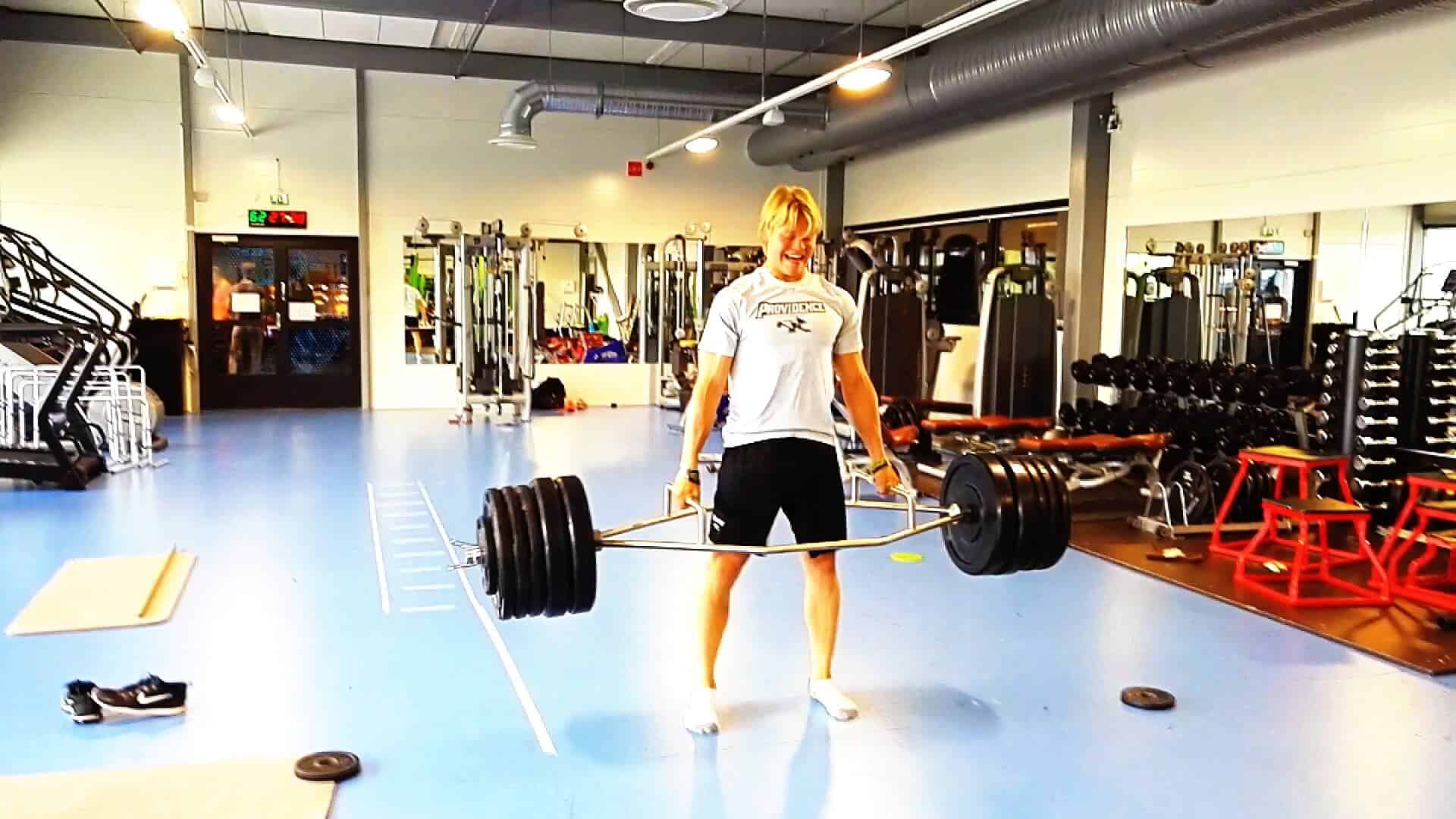
- Strength Training: Focus on core, legs, and upper body to improve stability and shot power.
- Plyometrics: Jumping and explosive movements increase skating acceleration and agility.
- Flexibility and Mobility: Yoga or dynamic stretching to reduce injuries and enhance range of motion.
7. Mental Training and Game Intelligence
Hockey is as much a mental game as a physical one. Reading plays, anticipating opponents, and making quick decisions are crucial.
- Visualization: Imagine game scenarios and practice reactions mentally.
- Film Study: Analyze past games to understand positioning, tendencies, and strategies.
- Reaction Drills: Train with unpredictable passes and situations to improve decision-making under pressure.
8. Equipment and Technique Refinement
Proper equipment and attention to technique can significantly impact skill development.
- Stick Length and Curve: Adjust based on height, position, and style of play.
- Skate Fit and Maintenance: Well-fitted skates enhance balance, speed, and injury prevention.
- Regular Skill Assessments: Track progress and adjust training focus to address weaknesses.
9. Creating a Training Schedule
Consistency is key. A balanced weekly schedule ensures steady improvement without overtraining.
- 2–3 On-Ice Sessions: Focus on skating, stickhandling, shooting, and tactical drills.
- 2 Off-Ice Workouts: Strength, conditioning, and flexibility exercises.
- 1 Game or Scrimmage: Apply skills in realistic game settings.
- Recovery: Rest, hydration, and nutrition are essential to sustain high-intensity training.
Conclusion
Hockey skills training is a multidimensional pursuit, combining technical mastery, physical conditioning, and mental sharpness. By systematically developing skating, stickhandling, shooting, passing, defensive skills, and game intelligence, players can elevate their performance and contribute more effectively to their teams. Consistency, dedication, and thoughtful practice are the hallmarks of players who excel on the ice. Whether for youth leagues or professional play, the integration of these skills into a structured training program ensures continuous growth and peak performance.

 1
1